
Published
Anyone planning to own an industrial unit for many years eventually meets the same fork: take a unit on freehold tenure, or accept a leasehold one. The ongoing bills look alike on paper. Maintenance contributions, property tax, insurance and upkeep arrive whichever route you choose. What differs is something that never appears on an invoice, the passing of the years themselves.
With a leasehold unit, the term remaining is a quiet cost that is baked into the purchase and works through the holding period. Each year of ownership leaves a shorter lease for whoever buys next, and that shorter lease is something lenders and buyers weigh. An owner therefore has to think about an exit window: the point after which the remaining term could start to limit financing or interest. Experienced investors often pencil this in at the start, treating the lease like a depreciating ingredient in the plan. Tenants matter here too: a prospective occupier asked to sign a multi-year lease on a unit will sometimes ask how long the owner's own tenure continues, so the answer can colour renewal conversations well before expiry nears.
Freehold removes that particular clock. Because ownership is in perpetuity, there is no expiry date to plan around, no question over what happens when a lease ends, and no stage at which refinancing gets harder on account of a shrinking term. That does not make freehold costless. A buyer generally commits more capital at the start for the extra certainty, and an investor should compare that upfront commitment with the benefit of a longer horizon, rather than assume the two cancel out. Rental yield, vacancy and fit-out expenses all stay in the calculation under either tenure.
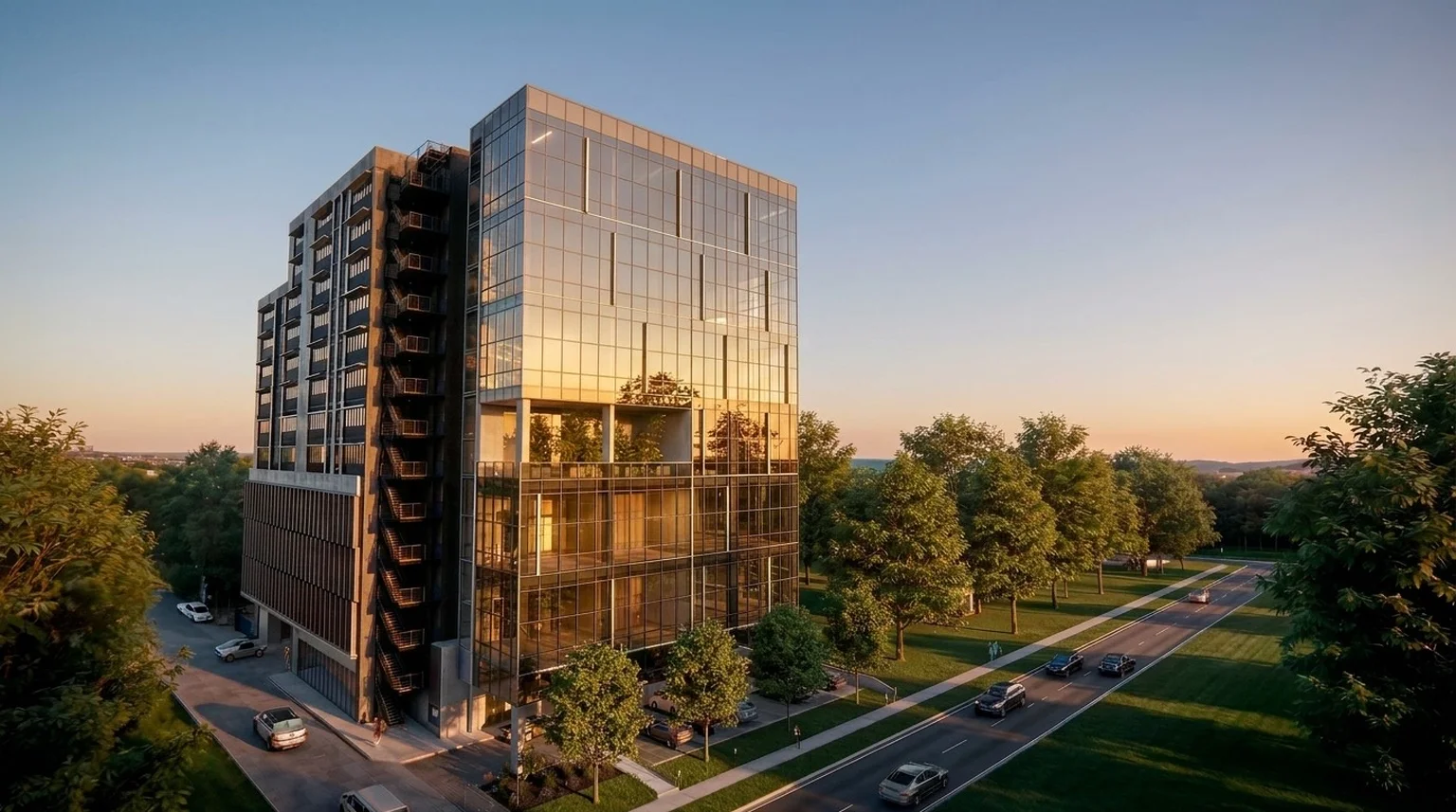
Here is how that looks in a real project. Space Nova, developed by JVA NIR Pte Ltd, is a freehold B1 (clean) development of 47 strata units on a site of 36,257 sqft. Its owners would not carry a lease-decay line in their planning, and the clean zoning is designed for uses such as light manufacturing, technology and research, and e-commerce fulfilment, subject to URA and JTC guidelines. The address is within roughly eight minutes' walk of Tai Seng and Bartley MRT stations, and expected completion is in 2029. The project's freehold advantage page sets out the developer's own reasoning in more detail.
A fair way to compare tenures is to write down three scenarios on a single page: you occupy the unit yourself for the long term, you lease it to a tenant for several years, and you sell after a medium hold. For each, ask how the tenure would affect your financing conversation, your buyer pool and your flexibility to change plans. Freehold tends to help most where the horizon is long or open-ended, while leasehold can still make sense for a defined, shorter use of space.
If you would like to run those scenarios against Space Nova's unit options, the sales team can step through them once you send an enquiry here.
General information only, not financial or legal advice.
Freehold industrial like Space Nova rarely comes to market. Register now to receive the brochure, indicative price guide and balance units ahead of public release.