
Published June 28, 2026 · June 28, 2026 update
Ask any seasoned industrial buyer in Singapore what they would most like to find, and "freehold" is near the top of the list. It is also one of the hardest things to find. A freehold B1 development like Space Nova at 21 New Industrial Road is genuinely uncommon — and understanding why explains much of its appeal.
The structural reason freehold industrial is rare comes down to how Singapore releases industrial land. The overwhelming majority of new industrial sites are sold by the state through JTC and government land sales programmes on leasehold tenures — frequently 30 years, sometimes 60. This is deliberate policy: it lets the state recycle scarce land back into productive use over time and keeps industrial space affordable for businesses. The trade-off is that the buyer never owns the land outright, and the clock starts ticking the moment the lease begins.
A leasehold industrial unit loses value in a measurable way as its lease runs down. A 30-year lease with eight years left behaves very differently from one with 28 years left — financing tightens, the buyer pool narrows, and the eventual reversion looms larger in any valuation. For an owner-occupier planning to build out a permanent base, that decay is a real constraint. For an investor, it is a headwind that grows stronger every year. The freehold advantage is, in essence, the absence of this entire problem.
Freehold industrial land does exist — but it is almost always already owned, often by long-established businesses or families who acquired it decades ago. It rarely changes hands, and when it does, it is frequently through a collective sale. The Space Nova site at 21 New Industrial Road itself reached the market through exactly that route, which is part of why freehold city-fringe parcels attract such persistent developer interest: there is simply no other reliable supply.
Basic economics applies. When supply is fixed and cannot be replenished, well-located examples tend to hold value and attract a deeper buyer pool on resale. Freehold industrial assets in mature, connected precincts have historically benefited from this dynamic — not as a guarantee of returns, but as a structural support that leasehold product lacks. For buyers weighing a long hold, that distinction matters.
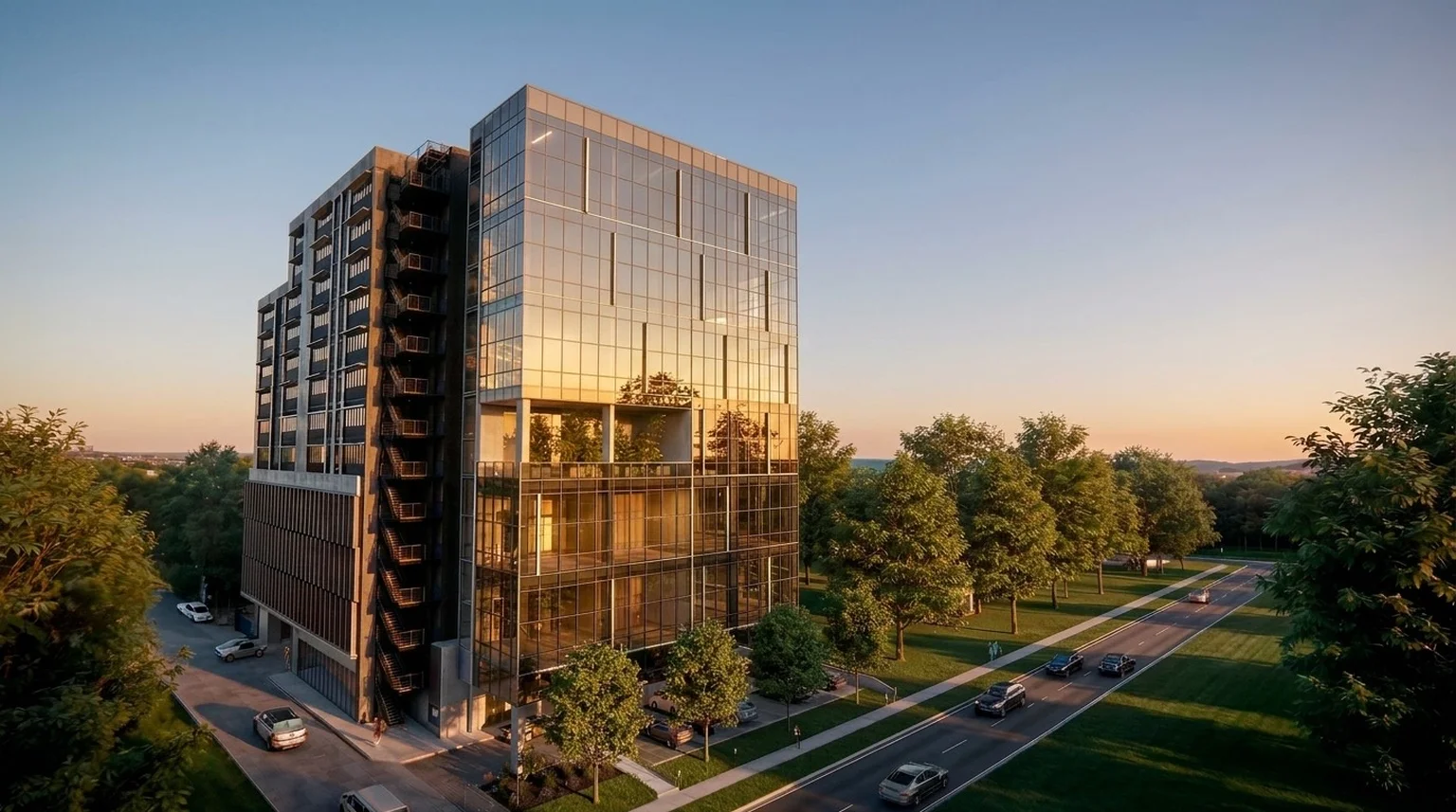
For anyone evaluating Space Nova, the rarity of freehold tenure is the headline. It means perpetual ownership of a B1 (clean) industrial unit in the established Tai Seng precinct — no lease-decay clock, cleaner financing, and a scarcity profile that few new launches can match. To understand the full picture, read the freehold advantage page and the project details, then register your interest to receive the brochure.
Freehold industrial like Space Nova rarely comes to market. Register now to receive the brochure, indicative price guide and balance units ahead of public release.